

Limb preservation represents one of the most transformative areas in modern orthopedics, where innovation, clinical collaboration, and improving patients’ quality of life converge.
As a global leader in limb reconstruction, Orthofix is dedicated to developing technologies that help surgeons save limbs and restore lives, even in the most challenging cases.
Through decades of innovation, from pioneering circular fixation systems to advancing transverse bone transport, Orthofix continues to expand the possibilities of reconstructive orthopedics.
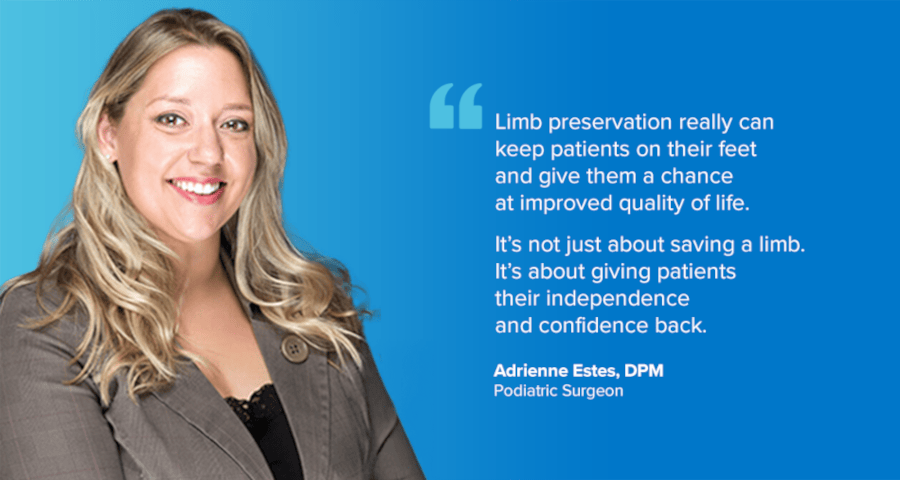
“It’s not just about saving a limb,” says Dr. Adrienne Estes, Associate Professor at Western University of Health Sciences and Chief of Podiatry at Riverside University Health Systems (RUHS). “It’s about giving patients their independence and confidence back.” This philosophy reflects Orthofix’s mission: collaborating with world-class surgeons and other partners to bring to market highly innovative, cost-effective, and user-friendly medical technologies that aims to improve people’s quality of life.
Today, limb preservation stands as a symbol of how far reconstructive orthopedics has advanced—combining mechanical innovation, biological healing, and human determination to give patients a second chance at mobility and life.
What is Limb Preservation?
Limb preservation encompasses a multidisciplinary set of reconstructive strategies aimed at avoiding amputation and restoring a functional, pain-free limb also in presence of deformity, or bone loss.
Over the past decade, limb preservation has evolved from a largely reactive approach into a structured, protocol-driven discipline supported by coordinated multidisciplinary teams. Early management strategies often focused on treating complications as they appeared, with limited integration between specialties.1,2 As a result, many patients progressed to major amputation before reconstructive options were considered.
Published evidence shows that modern limb-preservation programs now rely on standardized care pathways, shared decision-making, and closer integration between orthopedic, vascular, and wound-care services.1,2 This coordinated model has been associated with significantly lower amputation rates -reductions of up to 80% in some programs—and improved long-term function and survival.1,2
At the same time, the field has benefited from advances in reconstructive techniques and planning tools. External fixation and bone-transport strategies have become more refined and reproducible, supported by clearer staging principles and improved understanding of mechanical requirements in complex limb conditions.6-8 Digital planning, increasingly adopted in orthopedic practice, allows surgeons to map corrections more accurately and to standardize frame configurations before entering the operating room—an improvement that Dr. Estes highlights as critical for both early-career and experienced surgeons.
“The ability to plan digitally before surgery is a game-changer,” she notes. “You can see the correction, understand the angles, and it absolutely builds confidence.”
This combination of standardized pathways, advanced mechanical strategies, and better educational resources reflects the current evolution of limb preservation: from isolated procedures to a coordinated, protocol-based, and increasingly technology-supported field in which earlier identification, structured collaboration, and precise planning lead to more predictable and durable outcomes.
“Ten years ago, most of these patients went straight to amputation. Now, thanks to education and collaboration, we can offer real alternatives,” explains Dr. Estes.
This shift underscores an essential truth: saving a limb means saving a life, preserving mobility, autonomy, and the patient’s social and emotional well-being.
“I see firsthand how limb preservation can completely change these patients’ life trajectory,” says Dr. Estes.
Innovations Driving Modern Limb Preservation
Modern limb preservation combines the biological principles of regeneration with mechanical precision and data-driven planning.
At the center of this evolution are innovations that stimulate healing not only by replacing tissue but by activating the body’s intrinsic capacity to repair itself.
Transverse Tibial Bone Transport
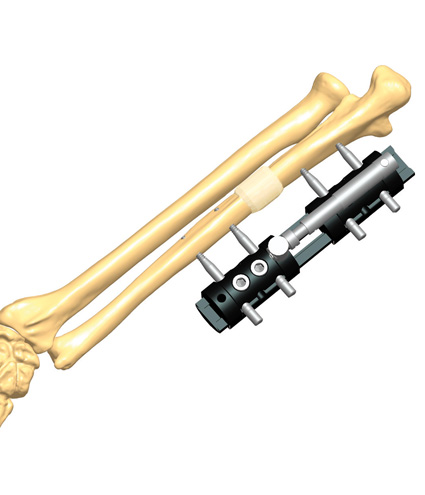
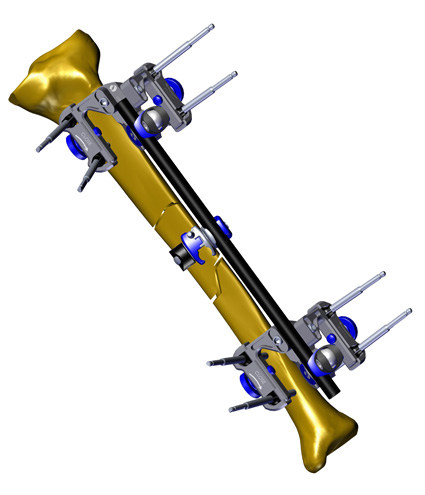
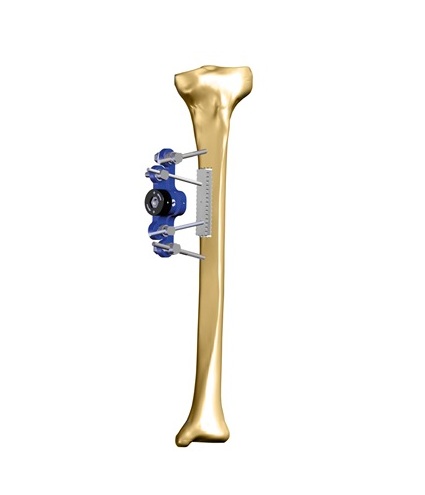
Transverse tibial bone transport is a reconstructive technique derived from Ilizarov principles and has been described in the orthopedic literature as one approach used in selected complex limb reconstruction cases.3-5
The technique involves creating a controlled corticotomy and gradually transporting a cortical bone segment under defined mechanical conditions. Experimental and clinical studies have explored the biomechanical and biological principles associated with cortical transport, as well as its potential role within staged reconstruction strategies.3-5
Use of transverse tibial bone transport requires careful patient selection, appropriate surgical planning, vascular assessment, soft-tissue evaluation, infection control where relevant, and structured postoperative follow-up. As with other complex limb reconstruction procedures, outcomes depend on multiple patient, procedural, and multidisciplinary care factors.1-2-3-5
This approach remains an area of active clinical interest within limb reconstruction and should be considered in the context of the available evidence, surgeon experience, patient-specific risk factors, and applicable local standards of care.
Managing Complex Bone Defects
Limb preservation often involves treating nonunions, bone loss, or osteomyelitis, conditions where mechanical stability and infection control must coexist.
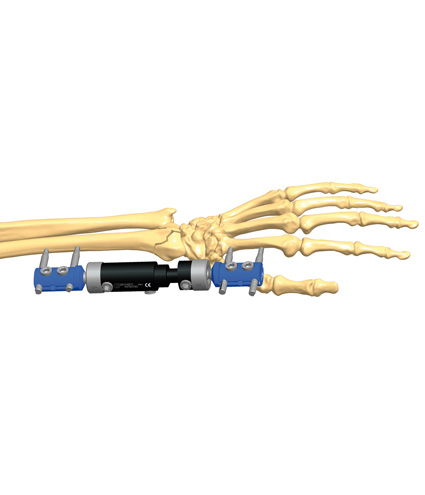
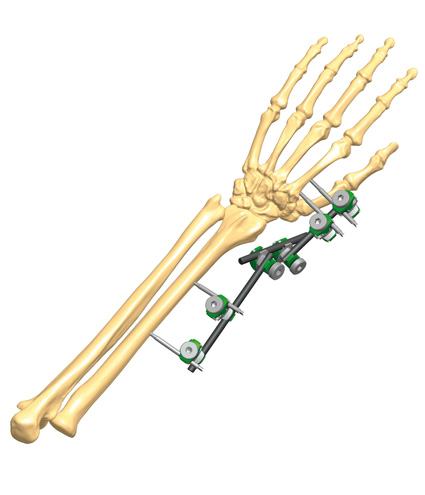
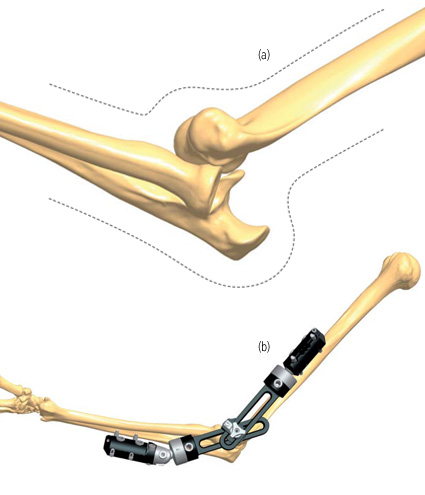
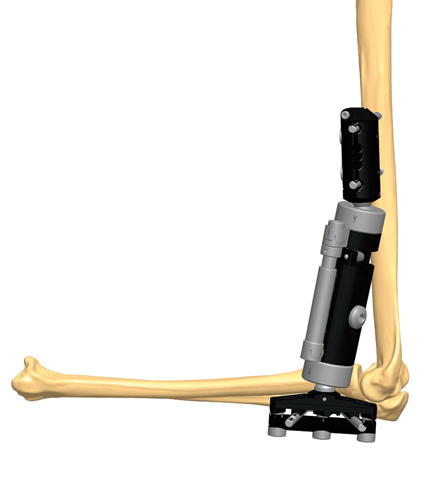
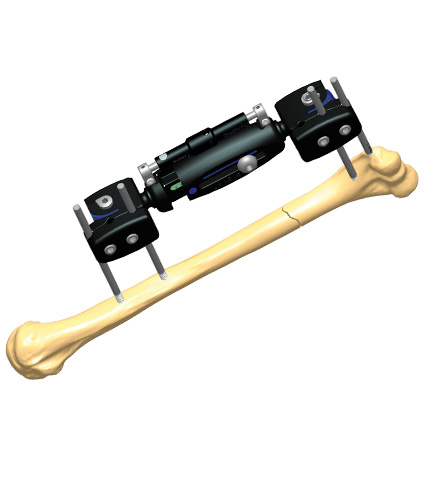
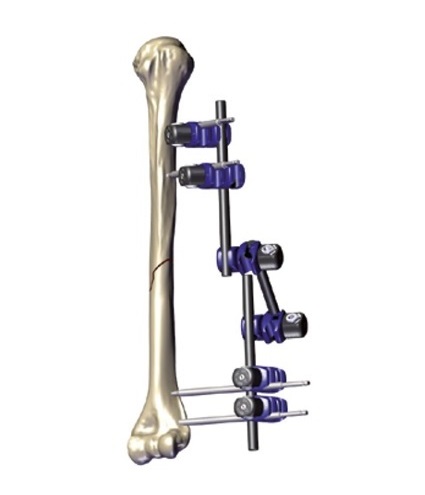
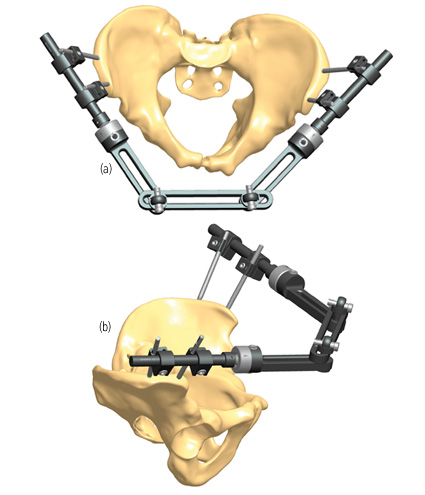
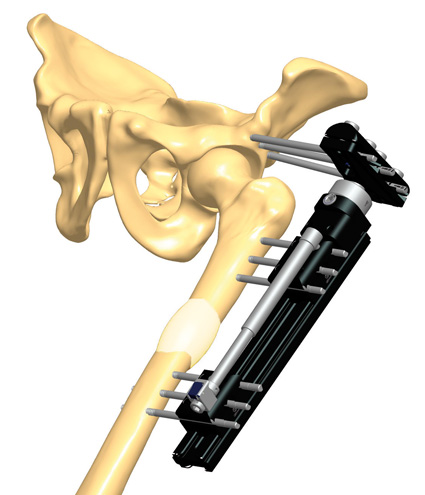
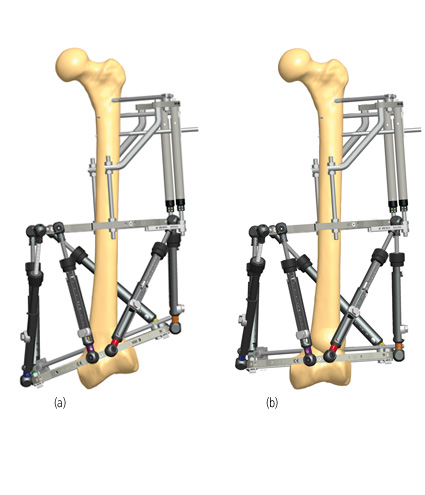
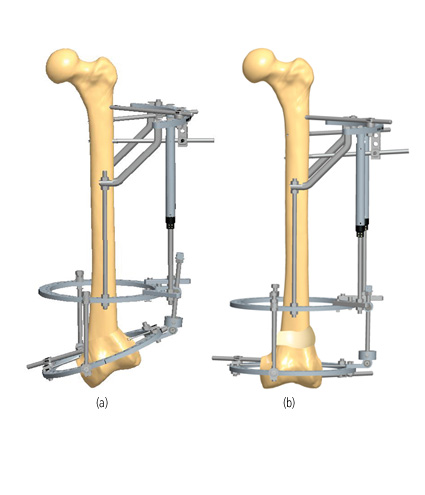
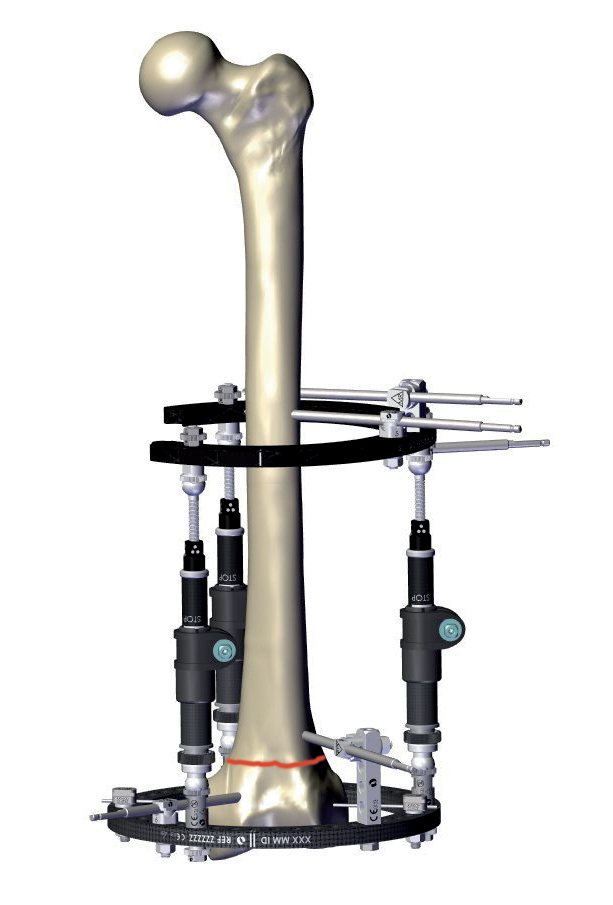
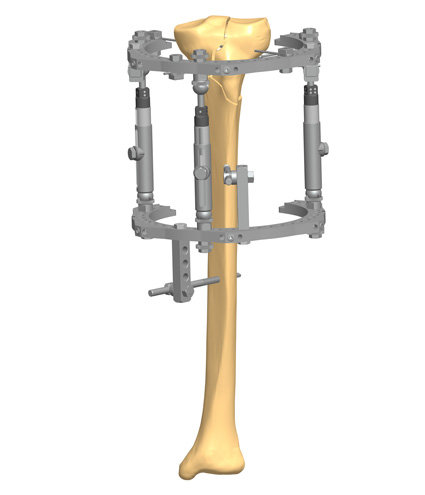
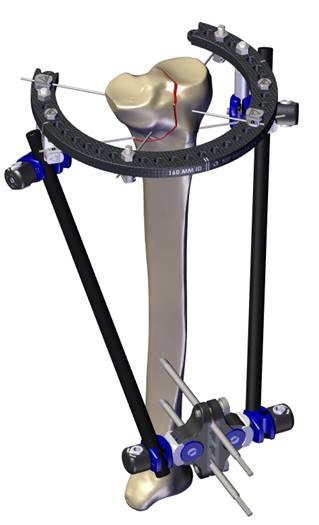
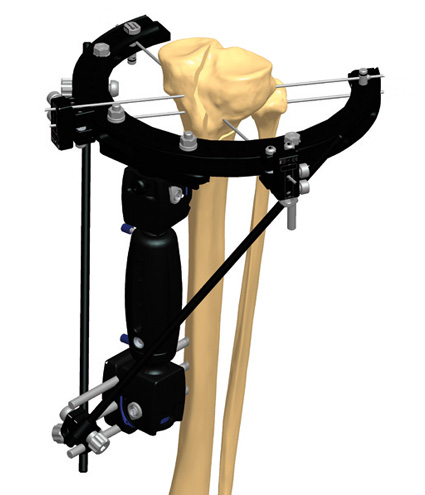
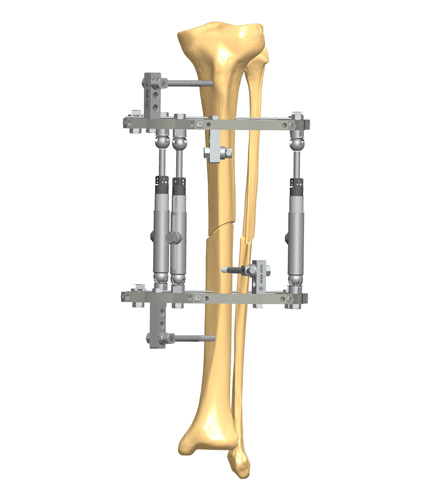
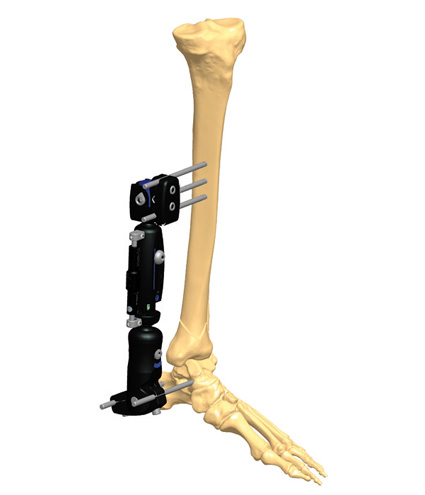
Circular and modular fixation systems allow surgeons to perform segmental reconstruction, bone transport, or staged procedures without compromising soft-tissue integrity.
As highlighted in recent reviews, these techniques can achieve high consolidation rates and functional recovery, particularly when combined with careful debridement and systemic infection management.6-8
In addition to external fixation–based approaches, newer intramedullary options such as the Fitbone™ Transport and Lengthening System have expanded the reconstructive tools available for managing segmental bone defects.
Benefits of a Multidisciplinary Approach
Evidence from contemporary limb-preservation programs demonstrates that coordinated, team-based care significantly improves outcomes compared to isolated interventions.1,2 When orthopedic, vascular, wound-care and rehabilitation specialists work together, the treatment plan becomes more structured, consistent, and tailored to the patient’s specific risks and functional goals.
This collaborative model contributes to:
- More accurate therapeutic planning, thanks to shared assessment of bone, soft tissue, vascular, and functional parameters
- Reduction in complications, including delayed diagnosis, uncoordinated procedures, and gaps in postoperative care
- Greater predictability of results, supported by standardized pathways and shared clinical decision-making
- Optimized treatment timelines, with improved sequencing of reconstruction, soft-tissue defect management, and rehabilitation
- A personalized patient-centered approach, grounded in holistic evaluation rather than specialty-specific decision-making
As highlighted in the literature, such structured multidisciplinary pathways have been shown to reduce major amputation rates and improve functional recovery and overall patient survival.1,2
“The collaboration between orthopedic and vascular specialists has completely changed the outlook for these patients,” says Dr. Estes. “When everyone works together—vascular, orthopedic, wound care—you see the difference. That teamwork is what makes limb preservation successful.”
This coordinated model of care has proven essential in reducing amputation rates and improving long-term outcomes.
Patient Benefits of Limb Preservation
Successful limb preservation delivers meaningful advantages that extend well beyond avoiding a major amputation. Evidence shows that preserving the limb supports long-term function, mobility, and overall patient well-being.1,2 In complex cases—whether involving deformity, infection, neuropathic collapse, or structural instability—maintaining the limb helps patients remain active, independent, and socially engaged.
Key patient-level benefits include:
- Maintenance of functionality: a preserved limb generally retains superior proprioception, gait efficiency, and adaptability compared to prosthetic alternatives, supporting greater independence and participation in daily activities.1
- Improved quality of life: multiple studies show that limb salvage is associated with higher patient-reported outcome measures, better mobility, and improved emotional well-being.1,2
- Reduced mortality risk: research indicates that major lower-extremity amputation carries significantly higher long-term mortality compared with successful limb preservation.1
- Lower psychological burden: preserving the limb helps reduce the emotional and psychosocial impact linked to limb loss, including anxiety, depression, and changes in self-perception.1,2
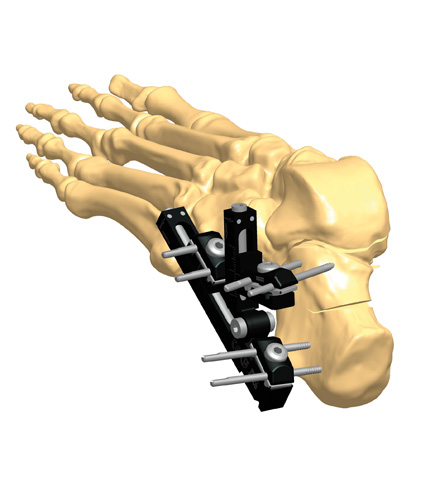
These considerations are consistent with the principles described in Orthofix clinical resources on limb preservation and the management of complex neuropathic deformities, where maintaining stability, alignment, and function plays a central role in long-term recovery.
Healthcare System Benefits of Limb Preservation
In addition to patient advantages, limb preservation also offers measurable benefits for healthcare systems. Structured, multidisciplinary pathways—as highlighted in the limb-preservation literature—support more efficient care, fewer complications, and greater long-term sustainability.1,2
System-level benefits include:
- Reduced long-term costs: major amputations often require high downstream spending on prosthetic care, rehabilitation, long-term support, and management of secondary complications. Limb preservation decreases these cumulative costs across the care continuum. 1,2
- Fewer re-hospitalizations: coordinated management of infection, instability, deformity, and offloading helps reduce unplanned admissions and additional procedures. 1,2
- Greater sustainability of care pathways: multidisciplinary programs optimize sequencing of surgical and non-surgical interventions, improving efficiency and resource use.
- Positive impact on continuity of care: team-based approaches ensure more consistent follow-up, more timely interventions, and better communication across specialties—all of which support long-term functional outcomes. 1,2.
Overcoming Clinical Challenges
While advances in fixation systems and biological stimulation have transformed the field, limb preservation remains one of the most complex areas in orthopedic surgery. Success depends not only on technology, but on infection control, patient compliance, and a multidisciplinary approach that addresses every aspect of healing. 6,8
“We need to be realistic,” explains Dr. Estes. “Limb preservation is not for everyone – it depends on vascular status, comorbidities, and the patient’s commitment.”
Among the most frequent challenges are pin-site infections and early contractures, which can compromise outcomes if not addressed promptly. Dr. Estes emphasizes the importance of early physiotherapy and rigorous postoperative follow-up: “Early motion and education are everything. When patients learn how to clean the pin sites and move safely, we avoid most problems.”
Evidence from recent reviews confirms that structured rehabilitation programs and patient-centered education significantly reduce complication rates and improve long-term function. 1,3
Fractures due to falls or delayed consolidation are less common but remain serious risks, requiring close monitoring and realistic goal setting. “I always talk about realistic goals –progress, not perfection. Patients need to know this is a process,” assures Dr. Estes.
Ultimately, managing these challenges successfully means creating a continuum of care where orthopedic, vascular, and rehabilitation teams work together – turning complex, high-risk cases into meaningful recoveries. “Follow-up is critical,” underlines Dr. Estes. “You can’t just do surgery and disappear – patients need guidance every step of the way.”
The Role of Enabling Technologies
In modern limb preservation, technology is redefining surgical precision and consistency. Digital planning and external fixation platforms now allow surgeons to visualize each step of a correction before entering the operating room, improving accuracy and confidence. 3,4
Orthofix has long been a leader in this transformation. Through digital tools like OrthoNext, the company enables surgeons to apply Ilizarov’s principles with greater precision and reproducibility. These innovations help define the ideal corticotomy site, alignment, and frame configuration, ultimately improving the predictability of outcomes.
“The ability to plan digitally before surgery is a game-changer,” says Dr. Estes. “You can see the correction, understand the angles, and it absolutely builds confidence for surgeons. It also reduces intraoperative guesswork and adjustment time.”
This same technology strengthens collaboration across multidisciplinary teams. By sharing data and planning images, orthopedic, vascular, and wound-care specialists can coordinate interventions more efficiently and support faster recovery. 2
“If you can practice with simulation or plan on a digital model, you’re safer when you go to the OR. It’s better for the surgeon and for the patient, ” adds Dr. Estes.
By combining technology, training, and teamwork, Orthofix empowers surgeons to preserve limbs more predictably and safely than ever before.
Clinical Excellence and Education
Clinical success in limb preservation depends not only on technology, but also on the surgeon’s expertise and commitment to continuous learning.
Orthofix has built a legacy of advancing education and peer-to-peer collaboration, helping surgeons translate mechanical principles into consistent, patient-centered outcomes.
“Education is one of the most important parts of limb preservation,” says Dr. Estes. “You can have the best equipment in the world, but if you don’t understand how to use it or how to educate your patients, the outcomes won’t be there.”
“Orthofix really invests in education,” she adds. “They believe in young surgeons and give them the opportunity to learn hands-on. That kind of support builds confidence and skill early in their careers.”
Through the Orthofix Academy, the company offers a complete educational ecosystem, featuring webinars, live case discussions, and simulation-based training focused on external fixation, bone transport, and limb salvage techniques.
“Hands-on training changes everything,” adds Dr. Estes. “When you actually build a frame or plan a transport on a digital model, you start to understand the mechanics in a way you can apply immediately in the OR.”
This commitment to education complements Orthofix’s ongoing clinical research efforts and close collaboration with leading reconstruction centers.
Together, these initiatives help transform innovation into measurable outcomes – fewer amputations, faster recoveries, and improved long-term function. 2,3
“Every case we teach and every surgeon we train can impact hundreds of patients,” concludes Dr. Estes.
“That’s what makes this work so meaningful.”
To maximize surgical outcomes, Orthofix provides a series of resources complemented by Orthofix Academy, a dedicated platform for education and skill development in limb reconstruction.
By combining innovation, clinical evidence, and comprehensive training resources, Orthofix aims to help surgeons achieve more predictable outcomes while strengthening long-term patient care pathways.
Preserving Limbs, Restoring Lives
Limb preservation today represents the highest expression of reconstructive orthopedics – where technology, biology, and compassion converge to restore both function and dignity. Thanks to continuous innovation and global education initiatives, Orthofix is helping surgeons worldwide redefine what is possible in the treatment of complex limb conditions.
“Limb preservation really can keep patients on their feet and give them a chance at improved quality of life,” says Dr. Estes.
Every successful limb preservation case is the result of teamwork and trust: between surgeons and engineers, between disciplines, and above all, between caregivers and patients. Orthofix’s commitment to advancing these partnerships—through research, enabling technologies, and hands-on training—continues to shape the future of limb reconstruction and preservation.
By empowering surgeons and strengthening clinical collaboration, Orthofix reaffirms its mission to save limbs and transform lives—one patient, one recovery, one step at a time.
“It’s encouraging to see a company that truly listens to surgeons at every level,” Dr. Estes concludes.
“They’re not just selling products—they’re building a community of learners.”
Explore real-world limb reconstruction cases and deepen your clinical practice: access the dedicated clinical resources here.
Stay Connected
- Instagram: Follow @OrthofixOrthopedics for exclusive tips, updates, and stories from the field.
- LinkedIn: Connect with us on our corporate LinkedIn Page to access news, thought leadership, industry updates, and career opportunities.
- YouTube: Subscribe to the Orthofix Orthopedics YouTube channel for educational videos.
Follow us today and join this growing community, united by a shared passion and mission to improve the lives of our patients.
The information in this article is intended exclusively for healthcare professionals. Federal law (USA) restricts these devices to sale by or on the order of a physician. Proper surgical procedure is the responsibility of the medical professional. Operative techniques are furnished as an informative guideline. Each surgeon must evaluate the appropriateness of a technique based on his or her personal medical credentials and experience.
Dr. Adrienne Estes is a paid consultant of Orthofix.
References
- Armstrong DG, Boulton AJM, Bus SA (2017). Diabetic Foot Ulcers and Their Recurrence. N Engl J Med 376(24):2367–2375. doi:10.1056/NEJMra1615439.
- McDermott KM, et al (2023). Multidisciplinary Approach to Decreasing Major Amputation, Improving Outcomes, and Mitigating Disparities in Diabetic Foot and Vascular Disease. Semin Vasc Surg 36(1):114–121. doi:10.1053/j.semvascsurg.2022.11.001.
- Hu X, et al. (2023). Effectiveness of Transverse Tibial Bone Transport in Treatment of Diabetic Foot Ulcer: a Systematic Review and Meta-analysis. Front Endocrinol (Lausanne). 2023;13:1095361. Published 2023 Jan 4. doi:10.3389/fendo.2022.1095361.
- Qin W, et al. (2024). Tibial Cortex Transverse Transport Promotes Ischemic DFU Healing Via Enhanced Angiogenesis and Inflammation Modulation in a Novel Rat Module. Eur J Med Res 29:155. doi:10.1186/s40001-024-01752-4.
- Ding Y, et al. (2024). Combining Tibial Cortex Transverse Transport (TTT) and Endovascular Therapy (EVT) for Limb Salvage in Chronic Limb-Threatening Ischemia. Orthop Surg. 2024;16(9):2132-2139. doi:10.1111/os.14222
- Li Z, et al. (2023). Advances in the Application of Bone Transport Techniques in the Treatment of Bone Nonunion and Bone Defects. Orthop Surg. 2023;15(12):3046-3054. doi:10.1111/os.13936
- Geiger EJ, et al. (2023). Management of Segmental Tibial Bone Defects With the Magnetic Motorized Intramedullary Transport Nail: A Case Series. J Orthop Trauma. 2023;37(11):e459-e465. doi:10.1097/BOT.0000000000002574.
- Feng D, et al. (2023). Complications Analysis of Ilizarov Bone Transport Technique in the Treatment of Tibial Bone Defects-A Retrospective Study of 199 cases. BMC Musculoskelet Disord. 2023 Nov 7;24(1):864. doi: 10.1186/s12891-023-06955-0. PMID: 37936087; PMCID: PMC10629116.
- Ha J, et al. (2020). Charcot Foot Reconstruction Outcomes: a Systematic Review. J Clin Orthop Trauma 11(3):357–368. doi:10.1016/j.jcot.2020.03.025.


