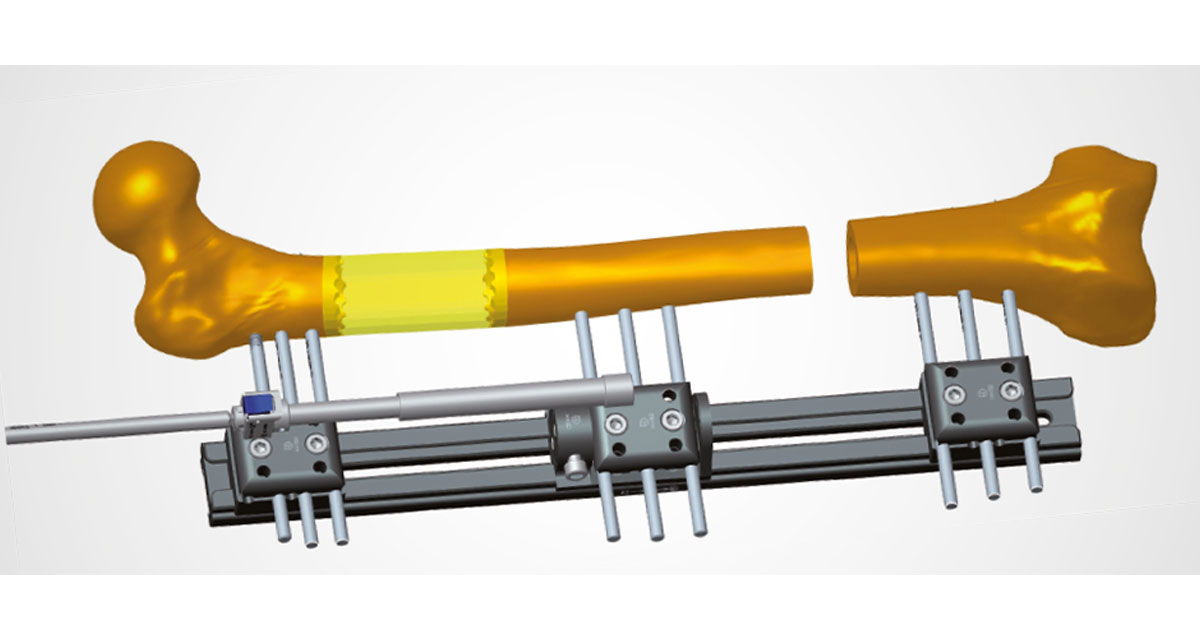
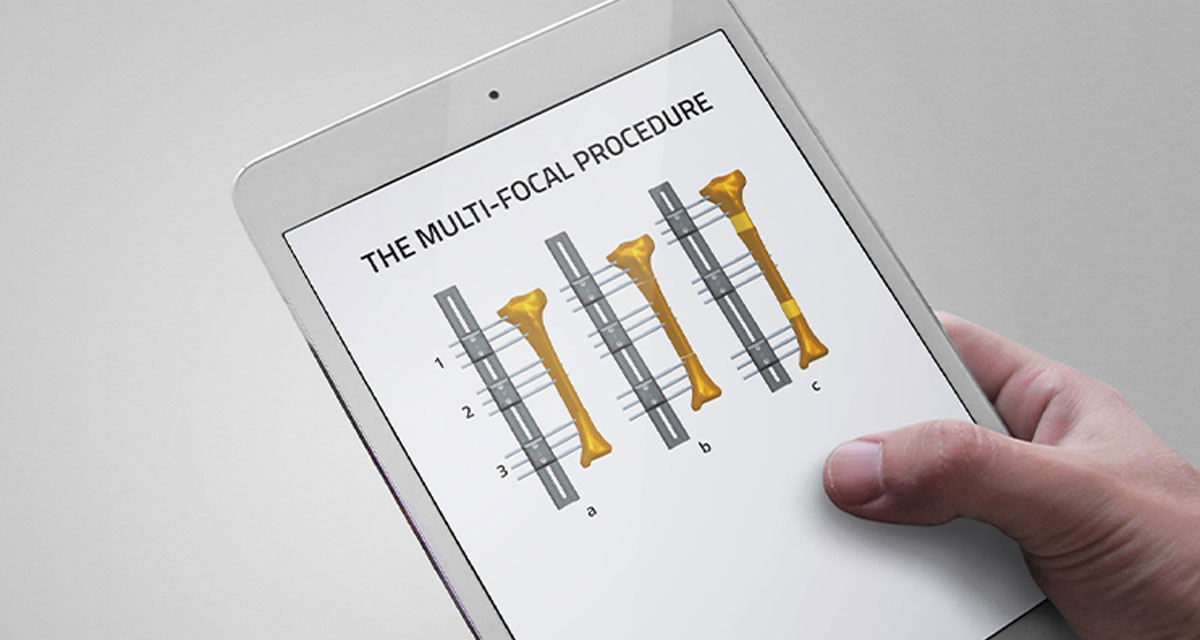
The multifocal procedure, in which two osteotomies are performed, is indicated in the presence of large bone defects, extreme shortening, shortening combined with metaphyseal deformity where lengthening takes place in more than one site, and fractures with soft tissue defects and exposed bone. The application technique of the external device is quite similar to that for bone transport, with the only difference being that in this procedure two compression-distraction units are used simultaneously.

Read More
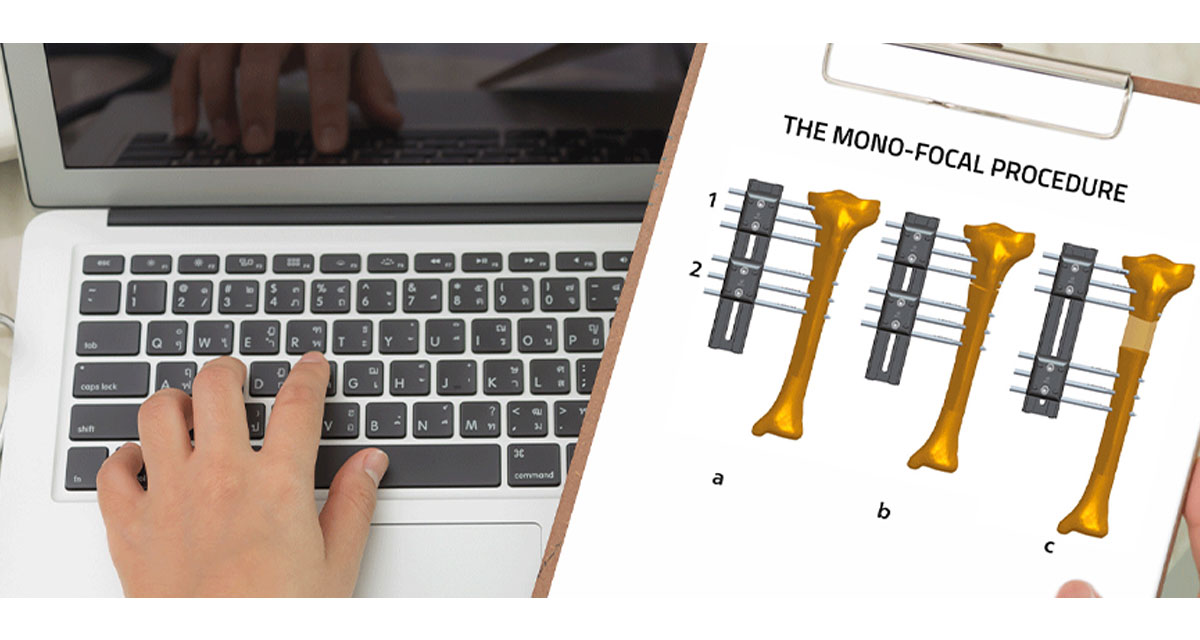
Bone transport is a surgical technique that allows regeneration of bony tissue when there are defects in the bone caused by fractures, non-unions, chronic bone infections, or tumors. In such cases, bone regeneration is used to fill a gap or a piece of missing bone. There are several bone transport techniques depending on the location and size of bone defect.(1)

Read More

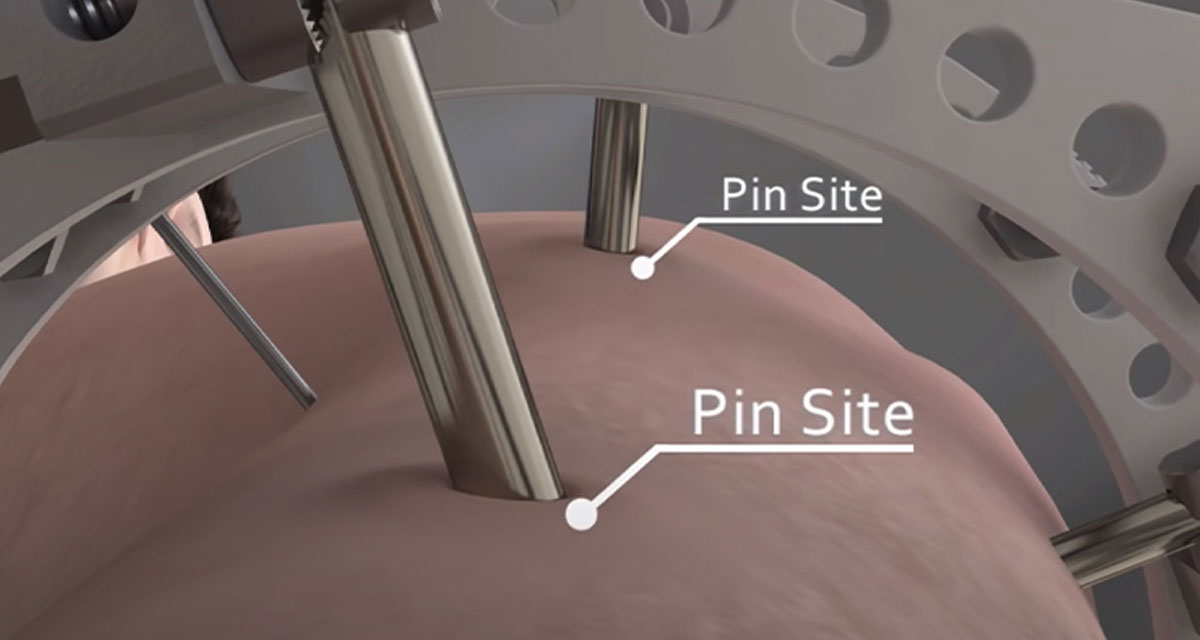
Preserving healthy pin sites is essential to effective external fixation, for the prevention of pin track infection and related complications. All people involved in the healing process – general practitioner, surgeon, nursing staff, patient and family – play a fundamental role in order to achieve the best result. Here are some useful key points.

Read More

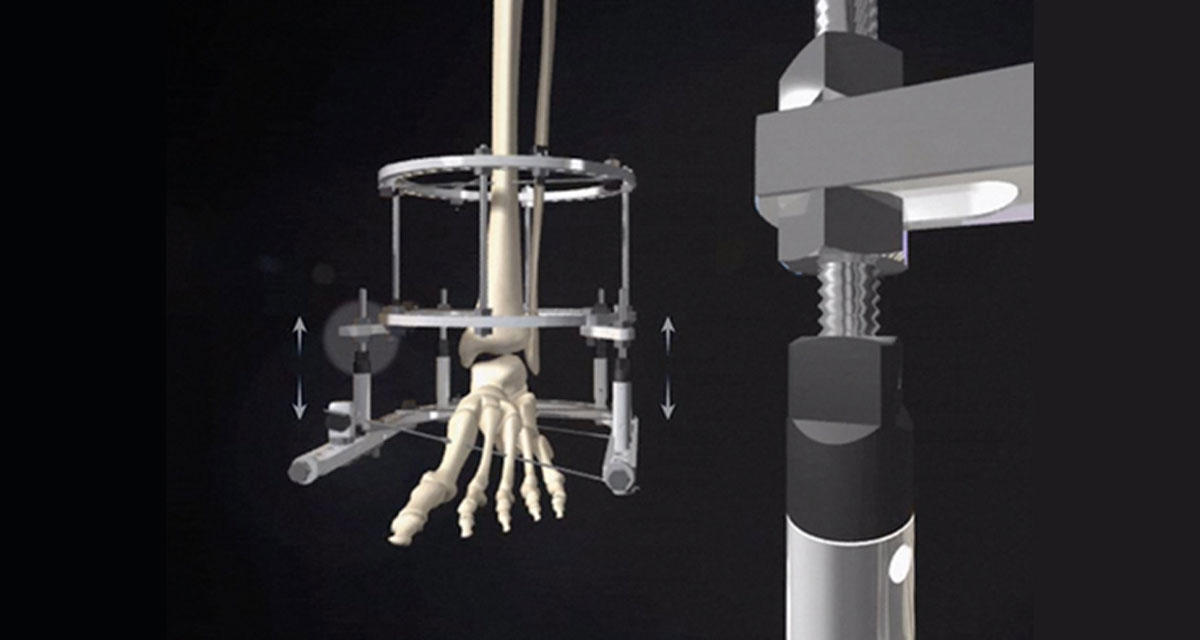
The term arthrodiatasis was first coined in 1979 in Verona, Italy. It comes from Greek, meaning “joint-through-to stretch out”, in a few words articulated distraction of the joint. It is a technique exclusively referring to external fixation, which was developed initially for the conservative treatment of the osteoarthritis of the hip, and later successfully used to cure other conditions.

Read More

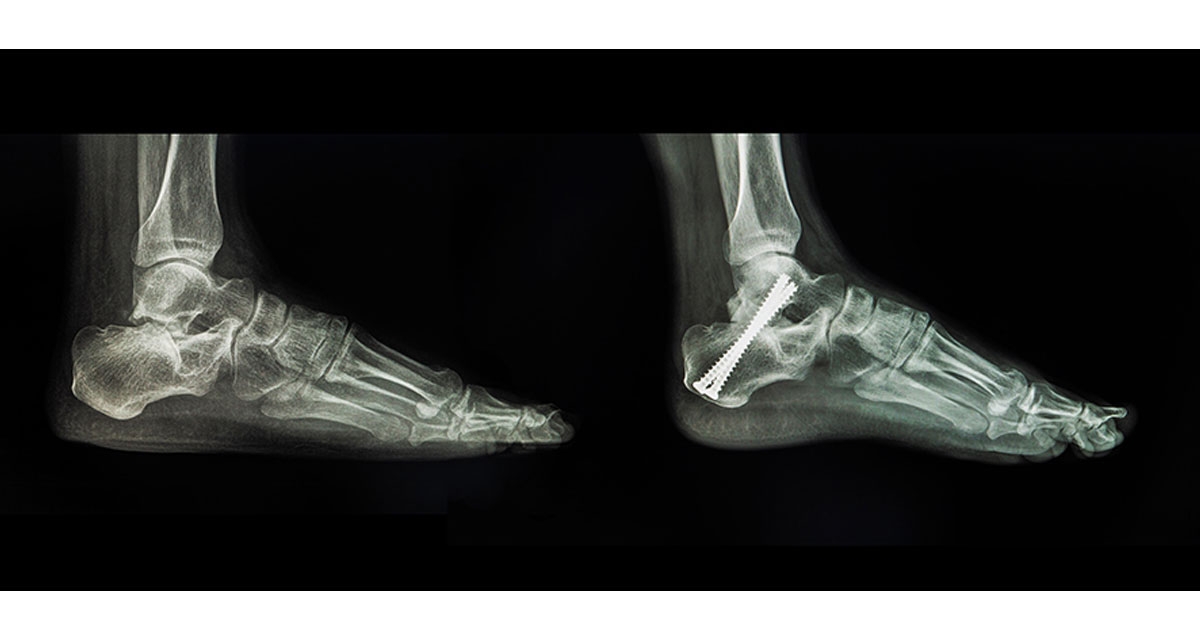
Arthrodesis may be defined as the surgical immobilization of a joint by fusion of the bones. It is commonly referred to as joint fusion, also known as artificial ankylosis or syndesis. It can be performed in several parts of the body, and it is indicated in the presence of painful joints, often due to arthritis or osteoarthritis, with highly compromised mobility.

Read More

“Respect for, and enhancement of the natural physiological process of fracture healing” may be considered the philosophy which has inspired the research and design of all products developed by Orthofix in the last 40 years, starting with the set of devices belonging to the internal and external fixation system.

Read More

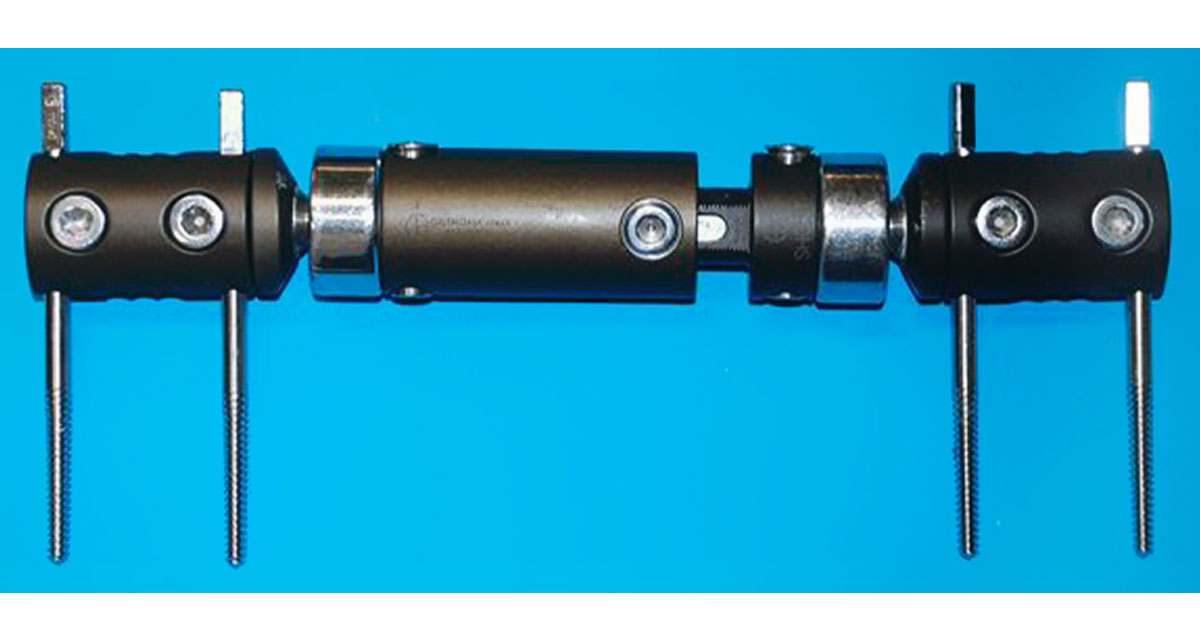
The Orthofix history began at the end of the 70s in Italy with the work of orthopedic researcher Giovanni De Bastiani. He proposed the concept of “dynamization” and developed a modular external fixation device designed to allow the release of axial forces at the proper time during the healing process, thus transferring a progressive load to the fracture site. After this first device, other devices were developed by Orthofix to better satisfy patients’ and doctors’ needs.

Read More

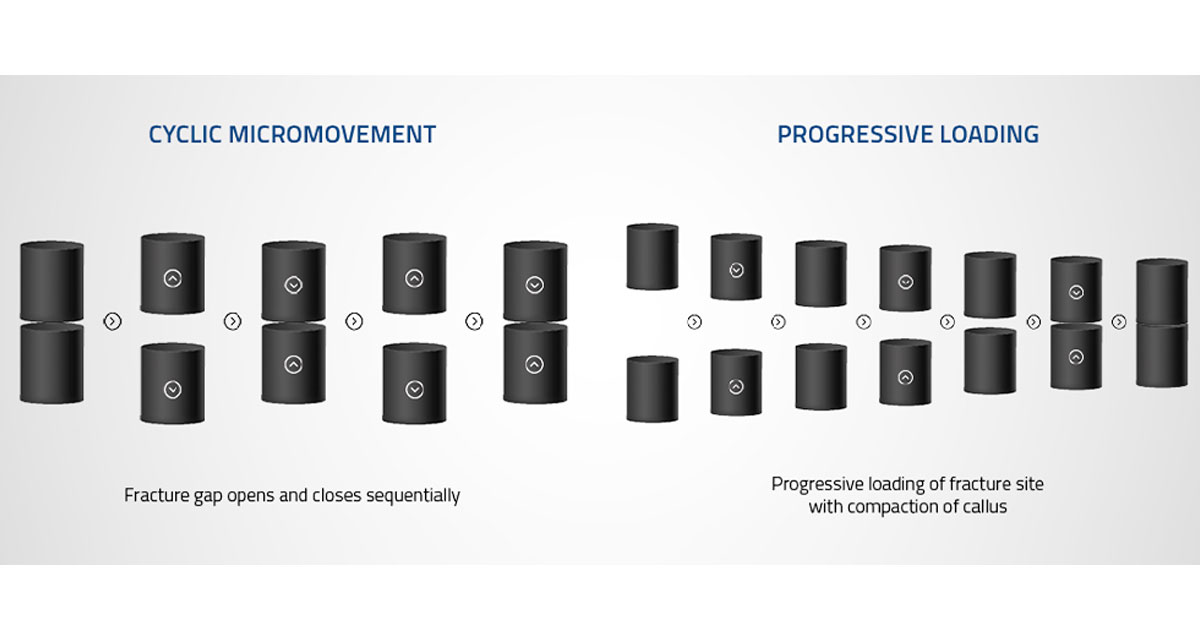
Stability does not mean rigidity. Medical philosophy has evolved from the aim to eliminate micromotion between the bony fragments to the idea of controlling it. Micromotion is necessary for external callus formation, and therefore for a functional bone healing. External fixation offers the opportunity to control both micromovement and load at the fracture site, which corresponds to the concept of dynamization.

Read More

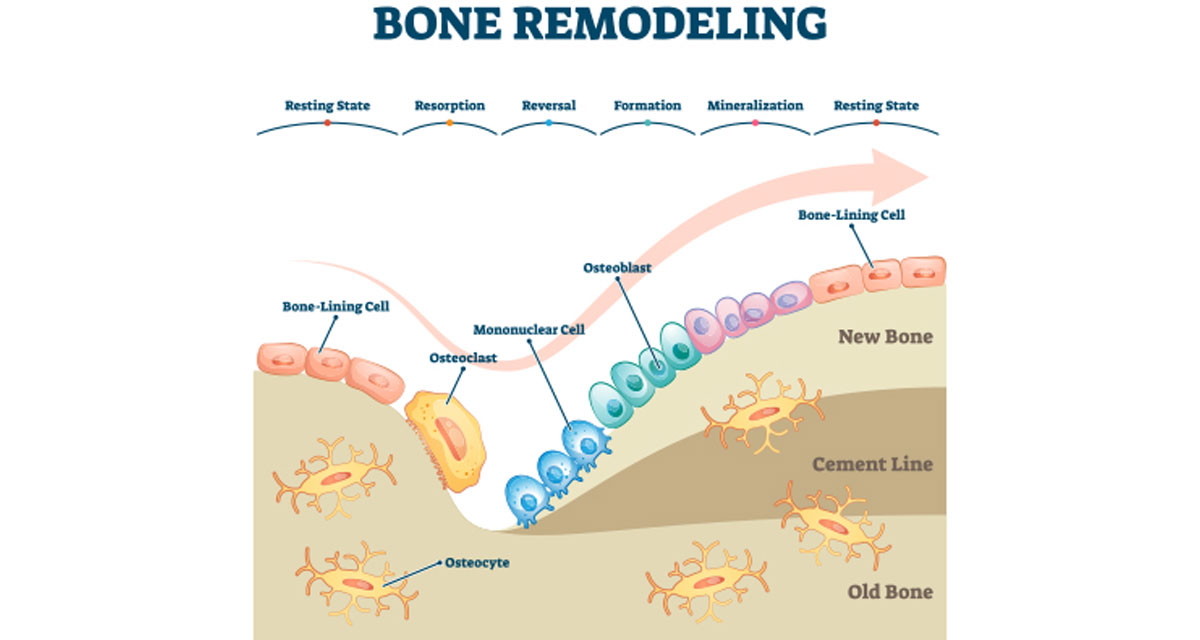
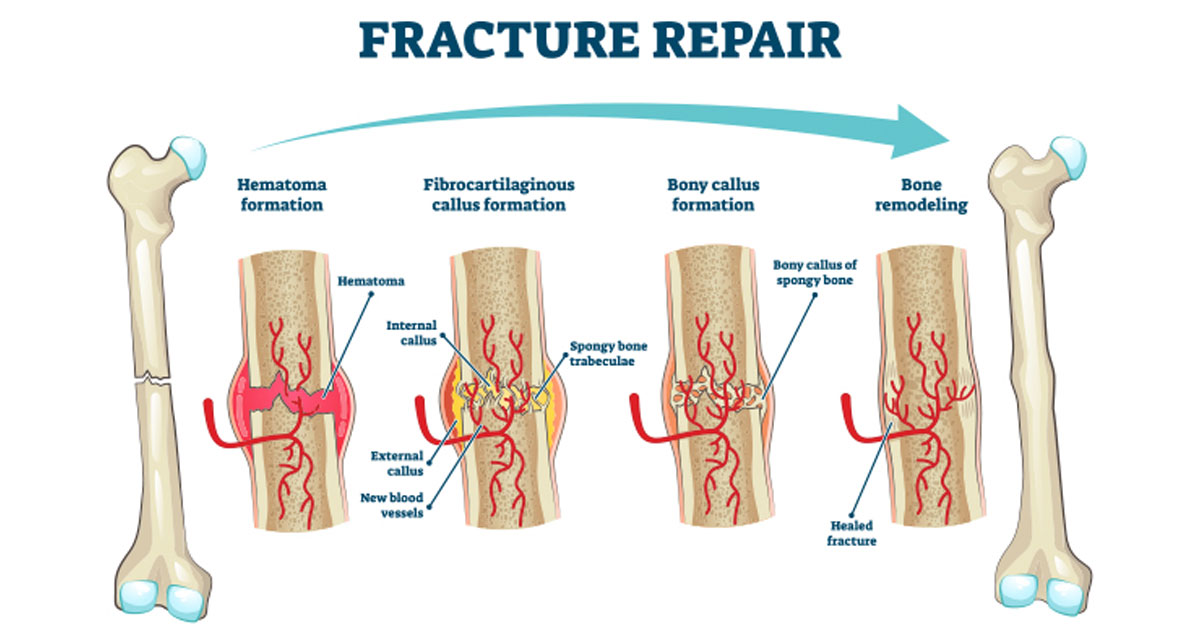
When a bone breaks, all the systems work for the bone healing. Fracture healing is a natural, physiological process, and the surgeon may help nature to restore the biological, structural and mechanical properties of the bone as they were before the break, transforming the fracture into a healed, normal and straight bone. 

Read More

Request more information

Please read our Privacy Policy before submitting this form

I have read and understood the Privacy Policy above and, therefore, I hereby consent to the processing of my personal data by Orthofix S.r.l.:

A) to allow Orthofix to carry out marketing initiatives described in point 3 (d) of the Privacy Policy, including for sending you marketing and promotional communications regarding Orthofix-branded products or services, or new initiatives and events. *

B) for transmitting your personal data to third parties (namely to other Orthofix Group’s legal entities and to distributors engaged by them and Orthofix directly), in order to enable them to provide you with their own marketing and promotional communication. *