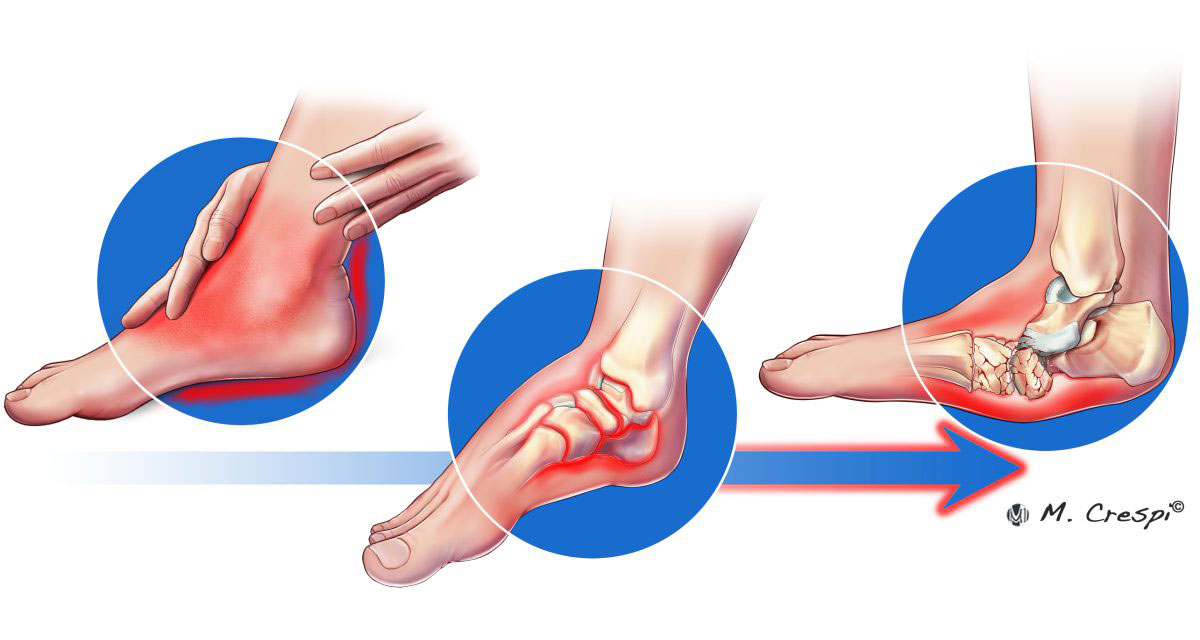
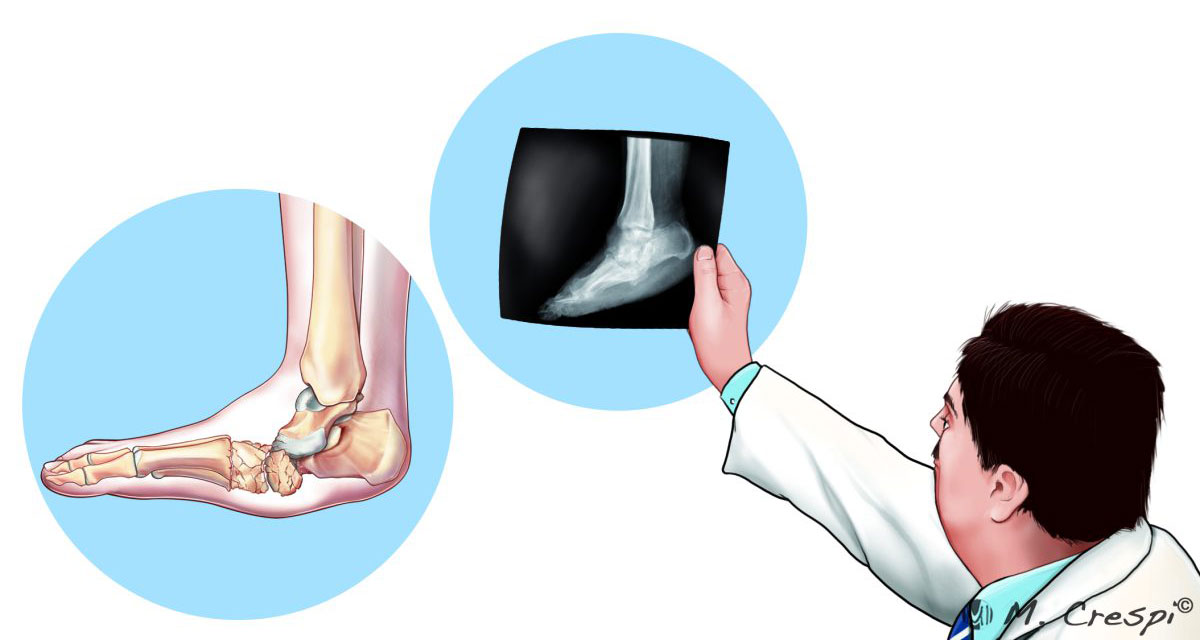
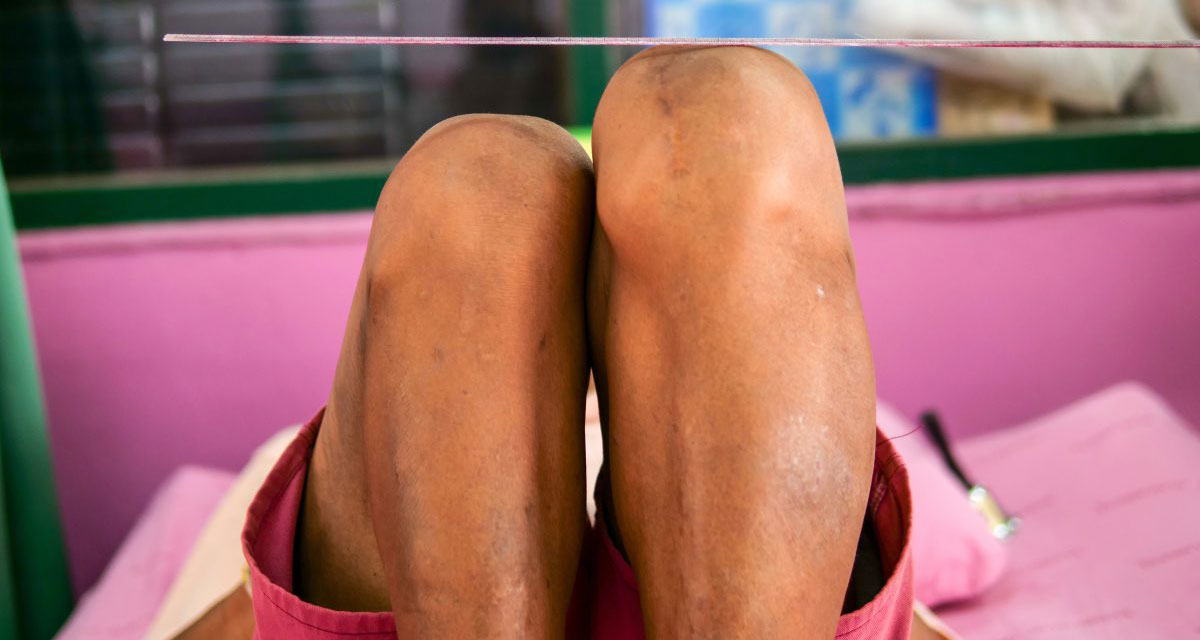
The diagnosis of Charcot neuroarthropathy of the foot and ankle can be challenging due to a lack of information in the patient's history, clinical assessment, imaging, and laboratory findings1. It is assumed that one in four cases of acute foot and ankle Charcot are undiagnosed or misdiagnosed1. However, correct diagnosis and effective treatment are crucial to avoid ulceration, worsening deformity, infection, or amputation1.

Read More
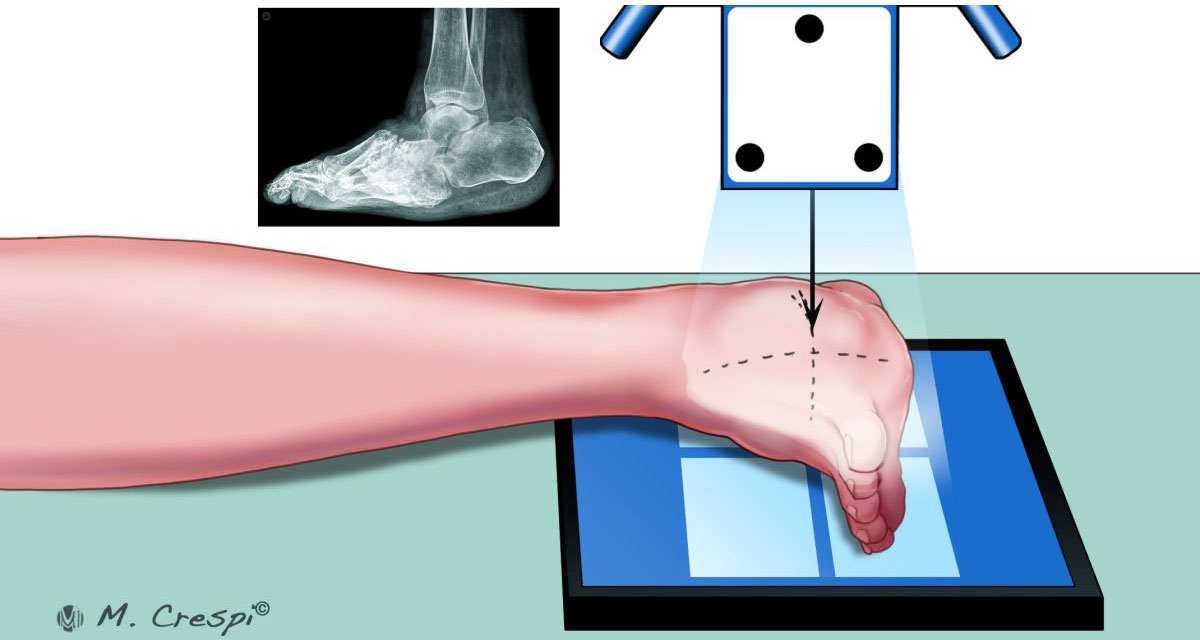
Charcot arthropathy occurs in the presence of peripheral neuropathy and metabolic abnormalities. Today it is seen more commonly in patients with long-standing diabetes1,2. Its pathogenesis, although still largely unknown, involves several pro-inflammatory pathways, which stimulate osteoclastic activity3.

Read More

There is an overwhelming wealth of scientific literature available on Charcot foot. In this article, we gather and summarize some of the most interesting sources, including Charcot neuroarthropathy of the foot and ankle reviews, diabetic foot reviews, and diabetic foot care articles.

Read More

Charcot foot is a progressive, devastating pathology defined by bone and joint changes that occur as a result of loss of sensation. Also called Charcot joint or neuropathic arthropathy, this condition is almost always associated with the vascular and neurological changes caused by poorly controlled diabetes1.

Read More

Charcot foot, also called Charcot neuropathy, is a condition caused by a combination of peripheral neuropathy and vascular disorders that results in progressive joint damage and eventually foot instability1. If left untreated, the consequences for patients are devastating, with reduced quality of life, inability to weight-bear, and an increased risk of amputation2.

Read More

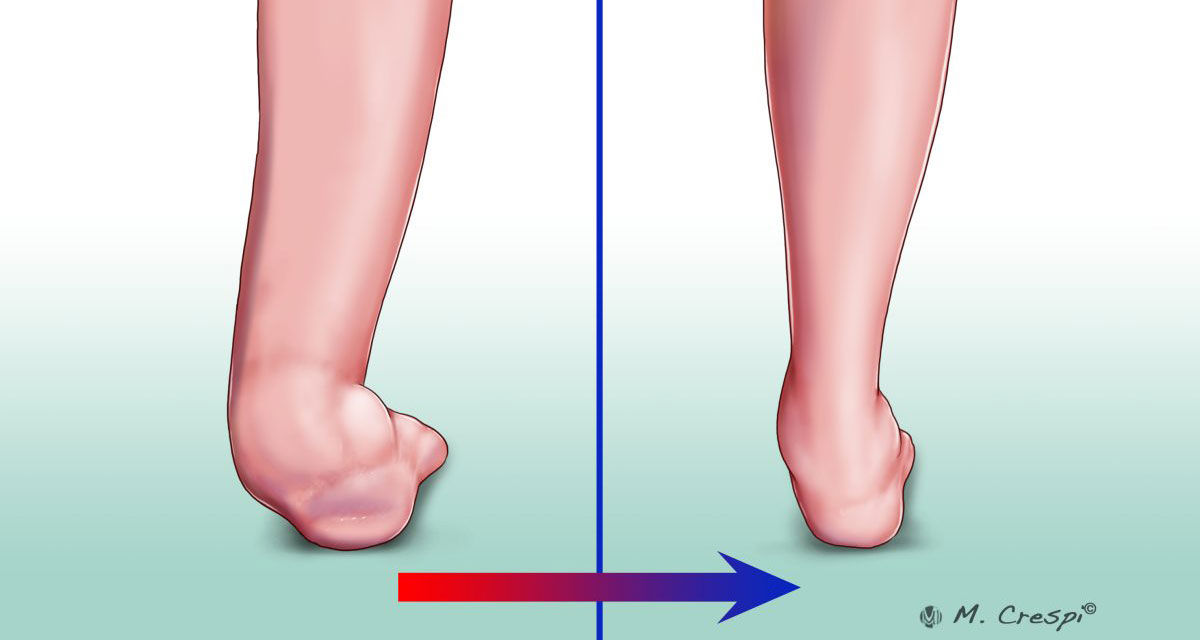
Charcot neuroarthropathy is a rare, but devastating complication of diabetes1. Progressive destruction of the bones and joints of the foot cause deformities and thus alter foot biomechanics1. If not recognized nor treated properly, the disease can result in ulcer formation, infection, and progression of the disease with joint instability and bone destruction2,3. In the worst case, limb amputation is required4,5.

Read More

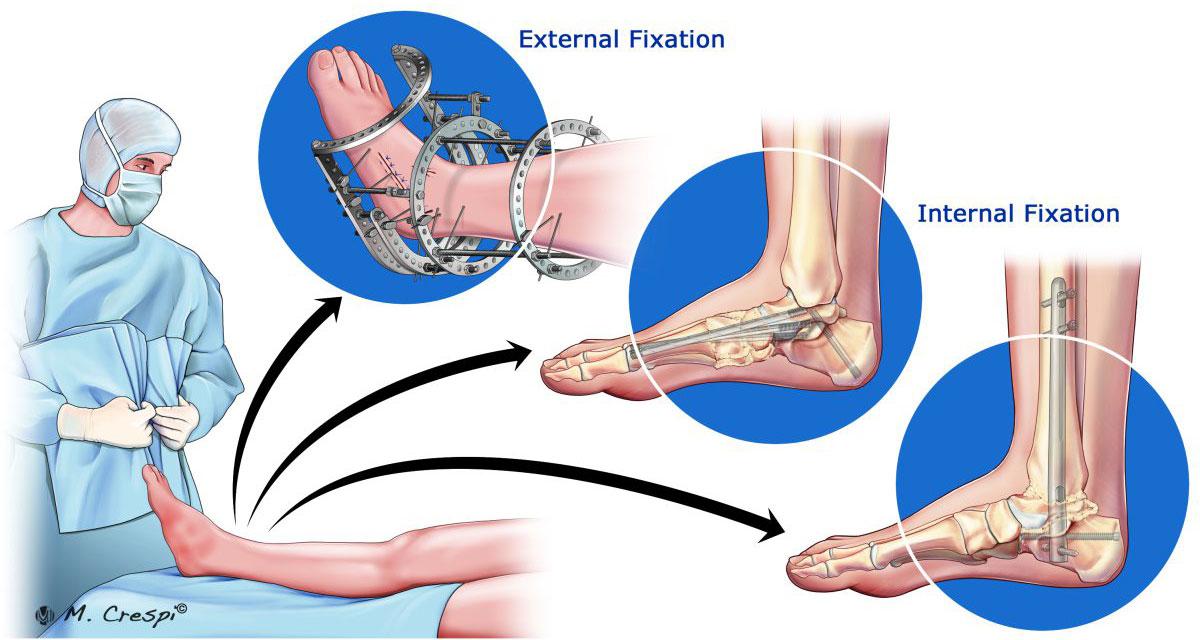
The successful outcome of a deformity correction with external fixation surgery relies also on a meticulous post-operative management approach. It is critical to optimal healing and the restoration of functionality. Wound care, pain control, rehabilitation exercises, monitoring of complications, and regular follow-ups are integral to a faster recovery.[1]

Read More

Modern healthcare is evolving fast and creatively. One of the key difficulties faced by a young child who has undergone orthopedic surgery is to contain their movement to allow for appropriate healing. The younger the child, the more challenging it is to remain immobile.

Read More

The human skeleton consists of an intricate architecture of bones – a living tissue that is perpetually undergoing transformation throughout our lives. The most significant portion of bone development, repair, and remodeling occurs during a person's growth period in their youth and adolescence, contributing to our adult body structure. However, certain factors can disrupt this process, leading to skeletal issues like limb deformity.[1]

Read More

Modern healthcare is taking orthopedic aftercare to the next level by ensuring a more personal touch to the patient, once they are released from their hospital stay. Going home after any minor or major surgery is a time of heightened anxiety and proper post-operative (post-op) care instructions and resources are key to ensure that the patient can benefit most from the treatment.

Read More