

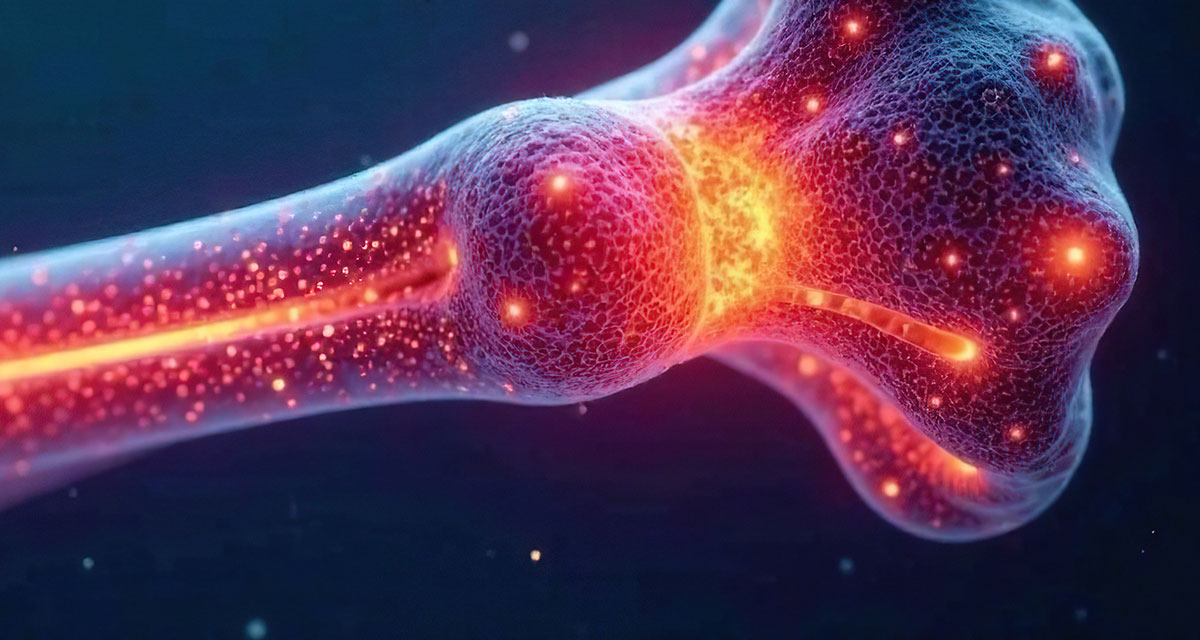
Osteogenesis Imperfecta (OI), also known as brittle bone disease, is a rare genetic disorder affecting approximately 6 to 7 in 100,000 people worldwide.(1) Patients with OI have fragile bones with low mineral density, which are prone to fractures and deformity.(3)
The term Osteogenesis Imperfecta was first used by William Vrolik in 1849 to describe a newborn infant who died 3 days after birth with several fractures.(3) This skeleton was later re-examined and found to have poor mineralization, along with numerous other distinctive features of OI. Vrolik was one of the first physicians to understand that this was a case of a congenital condition and not an acquired one, despite explaining it as a case of “insufficient intrinsic generative energy.”(4) In the 1940s and 1960s, researchers followed several families with members affected by OI, concluding that all cases, including sporadic ones, were due to dominant mutant genes.(5,6) More recently, developments in technology and genetic analyses led to the identification of several genes associated with OI.(7)
What is Osteogenesis Imperfecta?
Osteogenesis Imperfecta is a congenital connective tissue disorder characterized by low bone density, high prevalence of fractures and extreme deformity of the spine and limbs for those with a severe form of the disorder.(2,8) Most cases of OI are associated with dominant mutations in the COL1A1 or COL1A2 genes, which encode the alpha chains of collagen type I, although recent research has also uncovered genetic mutations (some of them recessive) that affect post-translation modification of type I collagen, bone cell signaling, or other mechanisms, highlighting the genetic heterogeneity of OI.(2,7,8)
The first attempt to classify the different phenotypes of OI in a systematic way was made by Sillence and colleagues in 1979.(9) This classification has been the standard for over two decades, and the Sillence types I-IV are considered the classic examples of OI.(10) These four types are linked to autosomal dominant mutations in the COL1A1 and COL1A2 genes, having distinct clinical features and ranging from mild to severe, as described below.
- Type I: mild severity, with reduced production of type I collagen. There is no bone deformity associated, but patients present with blue sclerae and late-onset hearing loss.
- Type II: lethal in the perinatal period, caused by abnormal production of type I collagen.
- Type III: the most severe survivable form of Osteogenesis Imperfecta, associated with abnormal production of type I collagen. Patients have short stature, characteristic facial appearance, and progressive bone deformities.
- Type IV: moderate severity, associated with reduced production of type I collagen. Patients have short stature, bone deformity, and dentinogenesis imperfecta.
The advances in genetic understanding of OI resulted in new approaches to classification and the inclusion of more types of the disorder, including recessive forms and those not linked to collagen. Today, more than 18 genetically distinct types of OI are described.(7,10,11)
How is Osteogenesis Imperfecta Diagnosed?
Despite being a genetic disorder, OI is diagnosed taking into account the clinical and radiological presentation. Radiographic features include disseminated osteopenia, evidence of past fractures and bone deformity.(2,12) Gathering an accurate medical history is essential for the diagnosis. Some important aspects to evaluate include number of fractures and dislocations, complaints of back pain or stiffness, ambulatory capacity, and family history.(13) Clinical examination of the spine, skull and dentition, together with other associated features, such as presence of pain, scleral hue or excessive joint laxity, can further point to a diagnosis of OI, which can be confirmed via genetic testing. However, given the genetic heterogeneity of this disorder, genetic testing may require weeks or months to complete.(2,12)
The diagnosis is usually done earlier in life if the patient has a severe form of the disease, but milder forms can remain undiagnosed for a long time. In children, further assessment for OI may be triggered by unexpected fractures, although these cases may be mistaken with non-accidental injury.(2,13)
The main challenge associated with diagnosing OI is lack of awareness. Given its rarity and broad range of clinical features, OI is usually not one of the options considered by physicians when making a differential diagnosis. Therefore, referral to an orthopedist specialized in pediatric bone disease is recommended when there is diagnostic uncertainty.(13)
Treatment Approaches for Osteogenesis Imperfecta
Osteogenesis Imperfecta does not have a cure. The goals of treatment are to maximize patient mobility, improve bone and muscle strength, and reduce pain, thus promoting autonomy and reducing fractures. Each patient is unique and should have a personalized treatment plan created by a multidisciplinary team comprised of pediatric medical, surgical, and allied health professionals. The extent of interventions needed varies according to the severity and clinical phenotype of the disorder.(2,7,8,12)
Pharmacological treatment relies on bone anti-resorptive treatments, namely bisphosphonates, although there is still some ambivalence regarding optimal dosing schedule and duration. Other therapies, such as monoclonal antibodies and stem cell therapy, have also been employed in an attempt to increase bone strength and density.(2,7,8,12)
Orthopedic surgery plays an important role in the management of OI, either as an acute treatment for fractures or as part of the elective management, including fracture prevention and deformity correction. The goal of orthopedic management is to maximize functional ability and allow for children to achieve developmental milestones. Children with OI have normal fracture healing times, but excessive immobilization in the post-operative period is to be avoided since it can exacerbate osteopenia.(2,8,12)
Surgical fracture management is usually done with the use of intramedullary rods, which provide the necessary stability and alignment. Plate fixation is usually avoided due to the high risk of subsequent peri-implant fracture. Intramedullary fixation is therefore preferable for patients with OI, although fixation is still technically challenging due to the poor bone quality.
In children, it is also necessary to accommodate bone growth, with modern telescoping intramedullary rods providing a solution to keep alignment and reinforce the bone by elongating as the child grows.(2,8,12) The use of intramedullary rods is preferred over other types of bone fixation in patients with OI because it protects the entire bone while the fracture consolidates and because it allows the patient to ambulate, reducing the risk of osteopenia associated with long immobilization periods.(14) While rigid, non-elongating rods can be very effective in providing adequate bone stabilization in patients suffering (or at risk of) multiple fractures, they are quickly outgrown when used in children with OI. This led to the development of elongating rods, which can also provide sufficient support to osteopenic bone, prevent bone deformity during fracture consolidation and prevent further fractures, while having a longer implant survival time.(15)
However, intramedullary rodding is not without complications: rod breaking and bending, migration, and stress shielding are known complications of this device.(8) Rod migration can occur into the bone metaphysis or into the epiphysis, backing away from the insertion site and into the joint. This can cause pain and reduce mobility, especially when the rod migrates into the knee joint.(16) Despite these complications, the reoperation rate is similar when using elongating or non-elongating intramedullary rods.(17) The placement of intramedullary telescoping rods requires substantial training and careful technique, and proper patient selection plays a key factor to improve outcomes.(18)
Pediatric patients with lower extremity malalignment but without significant deformity may benefit from guided growth techniques to improve alignment during the growing years. Pronounced deformities of the long bones are usually treated with multiple osteotomies and intramedullary rodding.(2,8)
Other issues that may warrant surgical management in patients with OI are joint and spinal deformities, including scoliosis and basilar invagination, with patients often undergoing multiple procedures during their lifetime.(12)
Future Developments
During the last decade, considerable progress has been made in our understanding of Osteogenesis Imperfecta, from the underlying genetic causes to the molecular processes involved in bone formation. Although there is still no cure, advances in therapeutic options and orthopedic devices provide patients with better functional outcomes. Ongoing non-clinical studies are assessing cutting-edge technology in an attempt to address the causes of OI with the use of small interfering RNA, ribozymes, and gene editing.(2,7)
While this work is ongoing, the cornerstone of OI management continues to involve a multidisciplinary approach with physical therapy, orthopedic surgical management, along with the available pharmacological treatments.2 To know more about OI management and solutions, download our white paper here.
This content does not constitute medical advice. Please consult with your surgeon or other healthcare provider.
References
- Berria MPD. Osteogenesis imperfecta. Salem Press Encyclopedia of Health: Salem Press; 2024.1. Berria MPD. Osteogenesis imperfecta. Salem Press Encyclopedia of Health: Salem Press; 2024.
- Harrington J, Sochett E, Howard A. Update on the Evaluation and Treatment of Osteogenesis Imperfecta. Pediatric Clinics of North America. 2014/12/01/ 2014;61(6):1243-1257. doi:https://doi.org/10.1016/j.pcl.2014.08.010
- Vrolik W. Tabulae ad illustrandam embryogenesin hominis et mammalium, tam naturalem quam abnormem. GMP Londonck; 1849.
- Baljet B. Aspects of the history of Osteogenesis imperfecta (Vrolik’s syndrome). Annals of Anatomy – Anatomischer Anzeiger. 2002/01/01/ 2002;184(1):1-7. doi:https://doi.org/10.1016/S0940-9602(02)80023-1
- Sissons HA. OSTEOGENESIS IMPERFECTA: A Study of Clinical Features and Heredity based on Fifty-five Danish Families comprising 180 affected members. By Knud Stakemann Seedorff. Translated from Danish by Elisabeth Aagesen. 10×6¾ in. Pp. 229, with 112 figures, 55 pedigrees and 7 tables. Paper cover. 1949. AÌŠrhus: Universitetsferlaget. Price 15s. The Journal of Bone & Joint Surgery British Volume. 1950;32-B(4):763-763. doi:10.1302/0301-620x.32b4.763
- Osteogenesis imperfecta in sweden. Clinical, genetic, epidemiological and socio-medical aspects. Archives of Disease in Childhood. 1962/02//undefined 1962;37(191):112.
- Morello R. Osteogenesis imperfecta and therapeutics. Matrix Biology. 2018/10/01/ 2018;71-72:294-312. doi:https://doi.org/10.1016/j.matbio.2018.03.010
- Franzone JM, Shah SA, Wallace MJ, Kruse RW. Osteogenesis Imperfecta: A Pediatric Orthopedic Perspective. Orthopedic Clinics of North America. 2019/04/01/ 2019;50(2):193-209. doi:https://doi.org/10.1016/j.ocl.2018.10.003
- Sillence DO, Senn A, Danks DM. Genetic heterogeneity in osteogenesis imperfecta. Article. Journal of Medical Genetics. 1979;16(2):101-116. doi:10.1136/jmg.16.2.101
- Marini JC, Forlino A, Bächinger HP, et al. Osteogenesis imperfecta. Review. Nature Reviews Disease Primers. 2017;317052. doi:10.1038/nrdp.2017.52
- Pyeritz RE. 20 – Osteogenesis Imperfecta and Other Disorders of Bone Matrix☆☆This chapter is a revision of the previous edition chapter by Craig F J Munns and David O Sillence, 6th Edition, © 2013, Elsevier Ltd. In: Pyeritz RE, Korf BR, Grody WW, eds. Emery and Rimoin’s Principles and Practice of Medical Genetics and Genomics (Seventh Edition). Academic Press; 2025:633-661.
- Chan E, DeVile C, Ratnamma VS. Osteogenesis imperfecta. BJA Education. 2023/05/01/ 2023;23(5):182-188. doi:https://doi.org/10.1016/j.bjae.2023.01.005
- Arundel P, Bishop N. Diagnosing osteogenesis imperfecta. Paediatrics and Child Health. 2010/05/01/ 2010;20(5):225-231. doi:https://doi.org/10.1016/j.paed.2009.11.008
- Cho TJ, Ko JM, Kim H, Shin HI, Yoo WJ, Shin CH. Management of Osteogenesis Imperfecta: A Multidisciplinary Comprehensive Approach. Clin Orthop Surg. Dec 2020;12(4):417-429. doi:10.4055/cios20060
- Yong B, De Wouters S, Howard A. Complications of Elongating Intramedullary Rods in the Treatment of Lower Extremity Fractures for Osteogenesis Imperfecta: A Meta-Analysis of 594 Patients in 40 Years. Journal of Pediatric Orthopaedics. 2022;42(3)
- Radkowski CA, Fitch RD, Hardaker WT. Arthroscopic-assisted revision of telescopic rods in osteogenesis imperfecta. Arthroscopy: The Journal of Arthroscopic & Related Surgery. 2005/01/01/ 2005;21(1):93-97. doi:https://doi.org/10.1016/j.arthro.2004.09.002
- Porat S, Heller E, Seidman DS, Meyer S. Functional results of operation in osteogenesis imperfecta: elongating and nonelongating rods. Journal of Pediatric orthopaedics. 1991;11(2):200-203.
- Stockley I, Bell MJ, Sharrard WJ. The role of expanding intramedullary rods in osteogenesis imperfecta. J Bone Joint Surg Br. May 1989;71(3):422-7. doi:10.1302/0301-620x.71b3.2656718.


